New Batch of Bangladesh Workers 新的一批孟加拉工人

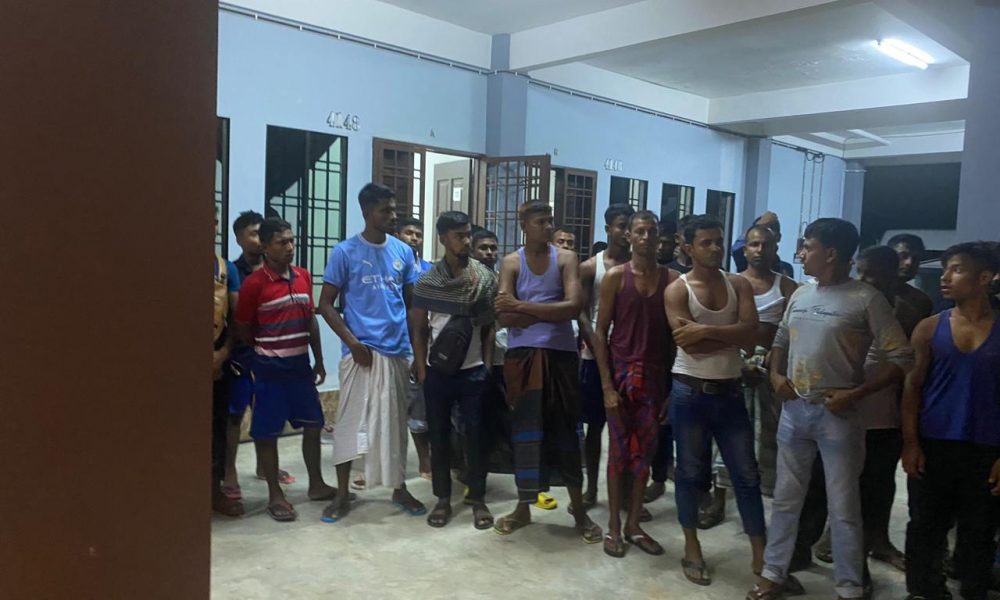
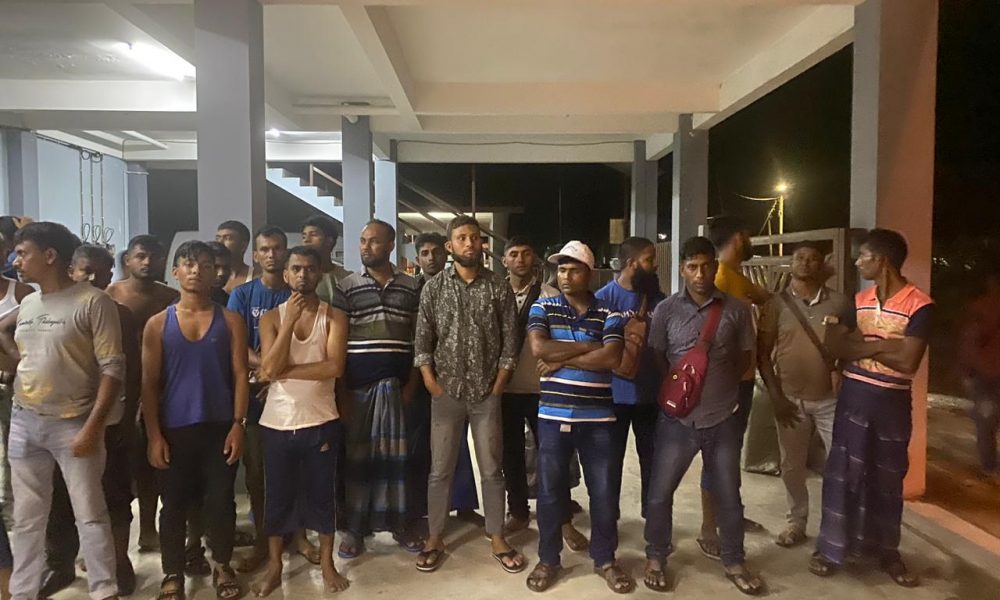
New batch of Bangladesh workers arriving at KLIA and being sent to the site hostel last month.
上个月,一批孟加拉工人抵达吉隆坡国际机场(KLIA),并被送往工地宿舍。
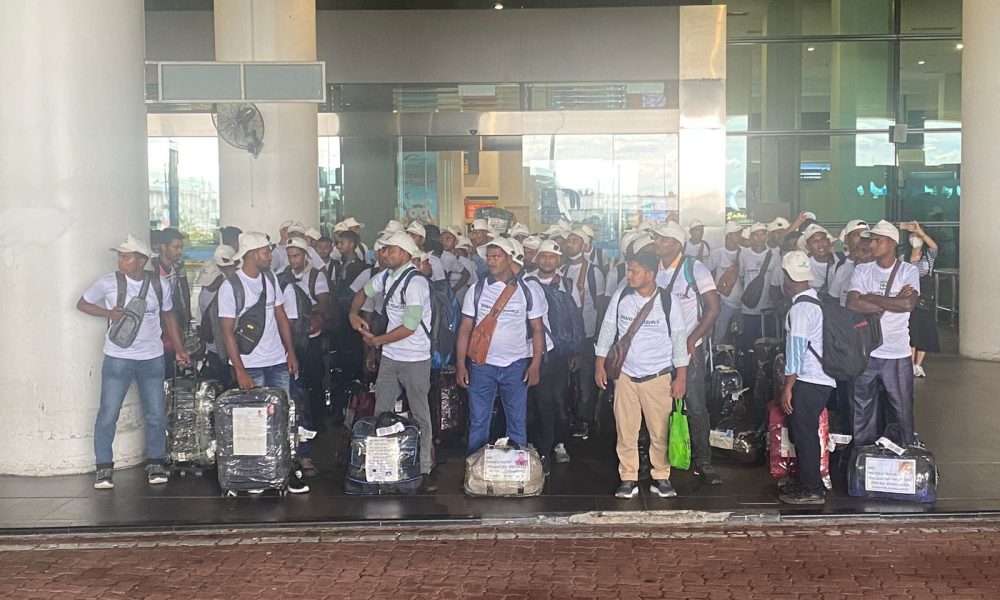
New batch of Bangladesh workers arriving at KLIA and being sent to the site hostel last month.
上个月,一批孟加拉工人抵达吉隆坡国际机场(KLIA),并被送往工地宿舍。
 Malaysia’s oil and gas and construction industries have been facing a significant shortage of skilled manpower in recent years. The shortage is due to a combination of factors, including the country’s aging workforce, the lack of interest in technical and vocational education among younger generations, and the outflow of skilled workers to other countries.
The shortage of manpower in these critical industries has become a major concern for both the government and the private sector. The oil and gas and construction industries are crucial to Malaysia’s economy, and a shortage of skilled workers can have a significant impact on the country’s growth and development.
The oil and gas industry in Malaysia has been facing a manpower shortage for several years. The industry requires a highly skilled workforce, including engineers, technicians, and operators, to maintain and operate the complex infrastructure and equipment required for oil and gas exploration and production. The shortage of skilled manpower has resulted in longer lead times for projects, reduced productivity, and higher costs.
Similarly, the construction industry in Malaysia has also been facing a manpower shortage, especially in the areas of engineering, architecture, and project management. The shortage has been particularly acute in the area of skilled trades, such as electricians, plumbers, and carpenters, which are critical to the construction process.
The shortage of skilled manpower in these industries has been exacerbated by the outflow of skilled workers to other countries, such as Singapore, Australia, and the Middle East, where they can earn higher salaries and enjoy better working conditions. The outflow of skilled workers has resulted in a brain drain from Malaysia and has made it more difficult for the country to attract and retain skilled workers.
At Tian Yue, we are committed to providing reliable and high-quality services that exceed our clients’ expectations. Our team consists of experienced professionals who are dedicated to ensuring that our clients receive the best possible support and solutions. We will be able to ease your burden on manpower not just on supplying of workers, as well as the related issues such as their accommodation, food, transportation and training.
We believe that our expertise and experience in the oil & gas and construction sectors make us an ideal partner for your business.
PIPC (Pengerang Integrated Petroleum Complex) is a 25-year development between 2013 and 2037 comprising four phases.
Phase 1 (2013-2019) saw two catalytic projects being developed. One of them, Pengerang Deepwater Terminals, is an oil and petroleum-product storage facility with a capacity of up to five million cubic metres, supported by deep water jetties. This was developed by Dialog Group Bhd with a RM14.71 billion investment.
The other project is the Pengerang Integrated Complex which comprises refinery and petrochemical facilities as well as supporting facilities developed by Petronas with a US$27 billion (RM119.8 billion) investment.
The federal and Johor governments have also developed critical infrastructure and social amenities in PIPC worth more than RM3 billion to support industrial growth.
The RAPID project, which stands for Refinery and Petrochemical Integrated Development, is a large-scale integrated petrochemical complex that is being developed in Pengerang, Johor, Malaysia.
The project is led by Petronas, Malaysia’s state-owned oil and gas company, and is expected to cost around $27 billion. When completed, the RAPID project will have the capacity to process 300,000 barrels of crude oil per day, and will produce a range of refined petroleum products, including gasoline, diesel, and jet fuel, as well as petrochemical products such as ethylene, propylene, and butadiene.
The RAPID project is part of Malaysia’s Economic Transformation Program (ETP) and is expected to create significant economic benefits for the country. It is estimated that the project will create more than 70,000 jobs during the construction phase and around 4,000 permanent jobs once it is operational. The project is also expected to generate significant revenue for the Malaysian government and contribute to the development of the local economy in Johor.